How women's empowerment transforms rural communities in Africa
Empowerment is not charity: it is a powerful lever for human, economic, and social transformation. In rural Africa, it reshapes balance, restores hope, and builds a more stable future.
 David Herreman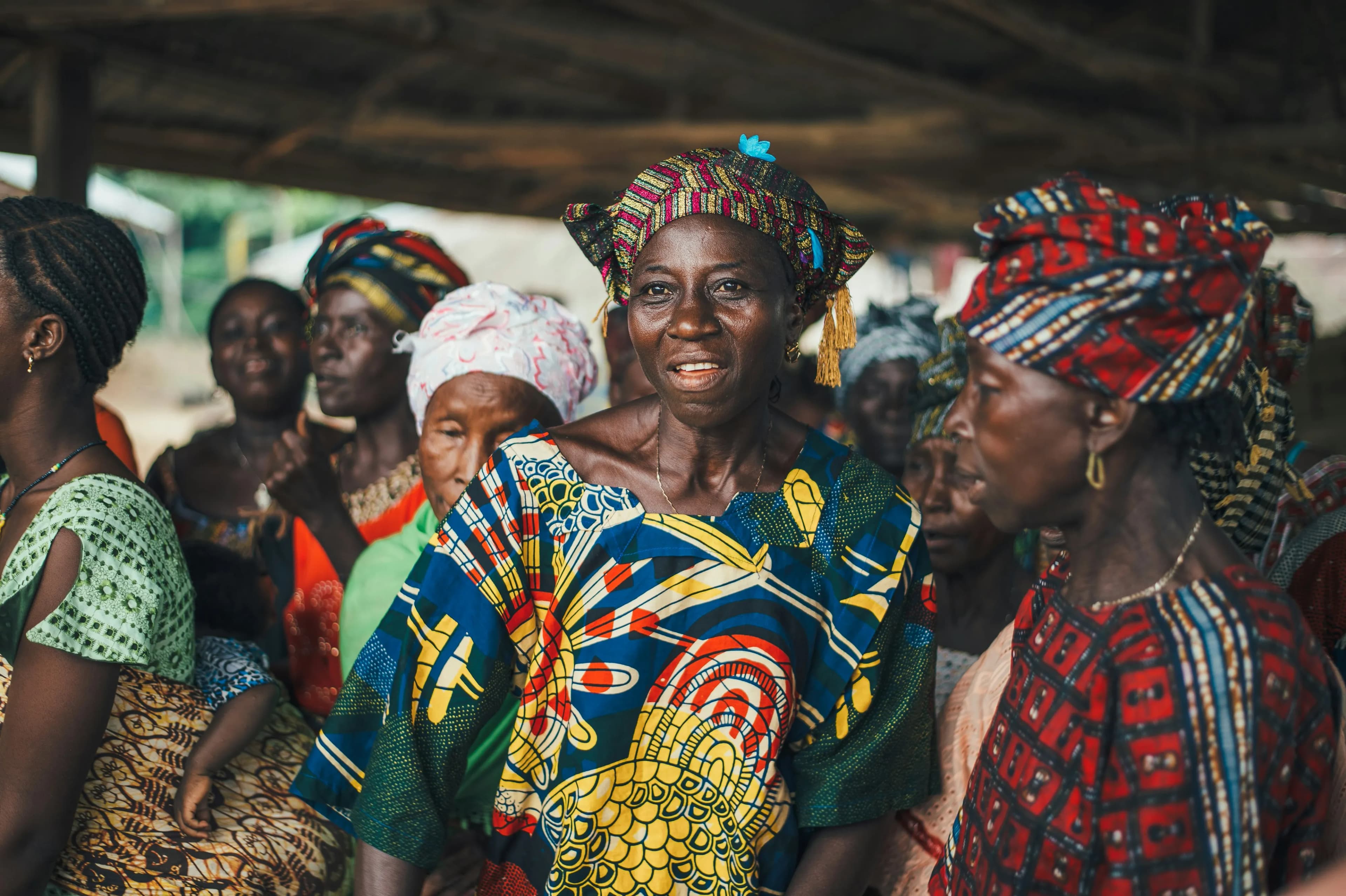
Understanding empowerment: far more than a buzzword
In institutional discourse and development projects, the word empowerment has become unavoidable. But what does it actually mean? And why does this concept carry such weight, especially for rural women in sub-Saharan Africa?
Empowerment refers to the process by which a person acquires the resources, skills, and decision-making power to take back control of their life. It is an evolving process that passes through access to education, economic opportunities, health, land ownership, and social recognition.
In the African context, especially in rural areas, this takes on even greater meaning. Here, gender inequality is not simply an injustice — it is a concrete barrier to sustainable development. Empowering rural women means acting at the root of structural imbalances to build a fairer, more resilient society.
Rural women: the invisible pillars of African development
According to the FAO (Food and Agriculture Organization), women represent up to 80% of the agricultural workforce in certain regions of sub-Saharan Africa. They farm, harvest, process, feed, and educate. Yet they own only 13% of agricultural land. They often have little or no access to credit, training, or decision-making networks.
This systemic exclusion makes communities more vulnerable and prevents the emergence of strong local development. Conversely, when a woman is supported, trained, and equipped, the entire ecosystem around her benefits.
Empowering rural women is therefore a strategic response to the challenges of poverty, malnutrition, social exclusion, and even climate change.
Empower one woman, empower a community
One of the most powerful elements of empowerment is its multiplier effect. A woman who earns an income — even a modest one — reinvests it primarily in her family: food, health, children's education. She becomes a local economic pillar. She speaks up in community decisions. She inspires other women to do the same.
In several rural regions of Africa, groups of empowered women become engines of change: they launch cooperatives, organize peer training, and unite to access financing. These are local, homegrown, sustainable solutions.
That is why many NGOs and foundations — including international institutions like UN Women and UNESCO — now make women's economic empowerment a top priority.
The domino effect of empowerment
Individual empowerment almost always spills over into the collective. When one woman takes flight, she inspires her neighbors, her daughters, her nieces, her sisters. She shares what she has learned, creates mutual support, and initiates new dynamics.
In the African context, this approach is all the more relevant because it builds on community-based logic. Collective empowerment becomes a driver of social cohesion and local transformation.
Conditions for success: empowerment yes, but not just any way
If empowerment is so powerful, it cannot be improvised. Here are the keys to a strategy that truly delivers impact:
- Local grounding: understanding realities on the ground, needs, and cultural constraints.
- Involving women themselves in decisions: no top-down solutions.
- Ongoing training and human accompaniment: empowering is not just about funding.
- Building networks of women's solidarity: support groups, cooperatives, mentorship.
- Valuing women's role in the local economic and social fabric.
Support women, support the future
Empowering women — and rural African women in particular — is not a humanitarian option. It is an economic, social, and ethical strategy. A strategy that delivers results, transforms lives and villages, and prepares a fairer, stronger, and more stable future.
Rather than continuing to build aid systems that are sometimes ineffective, it is time to believe in women's capacity to rise, to build businesses, and to inspire.
Foundations like AWAKEN DESTINY, by offering concrete and lasting solutions, are charting a path toward a new kind of solidarity: the kind that liberates, rather than the kind that merely assists.
Support our work on the ground
Every donation equips concrete projects — essential support and self-reliance — in Cameroon.
Donate