Healed from Kawasaki disease, he devotes his life to street children
After nearly dying at age 12, James Fazio turned his survival into a humanitarian mission serving the forgotten children of Lima, Peru.
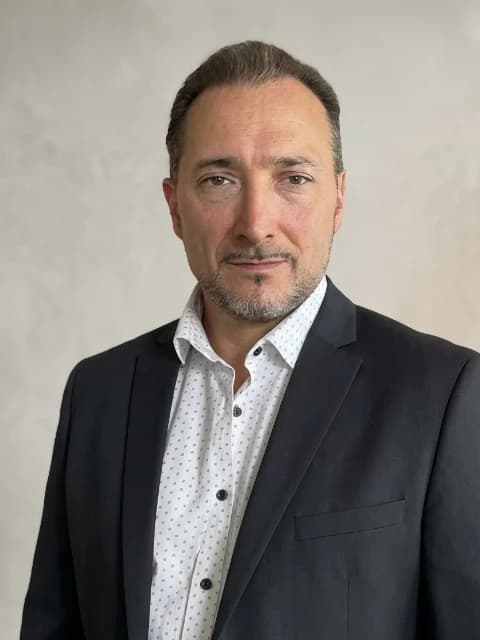 David Herreman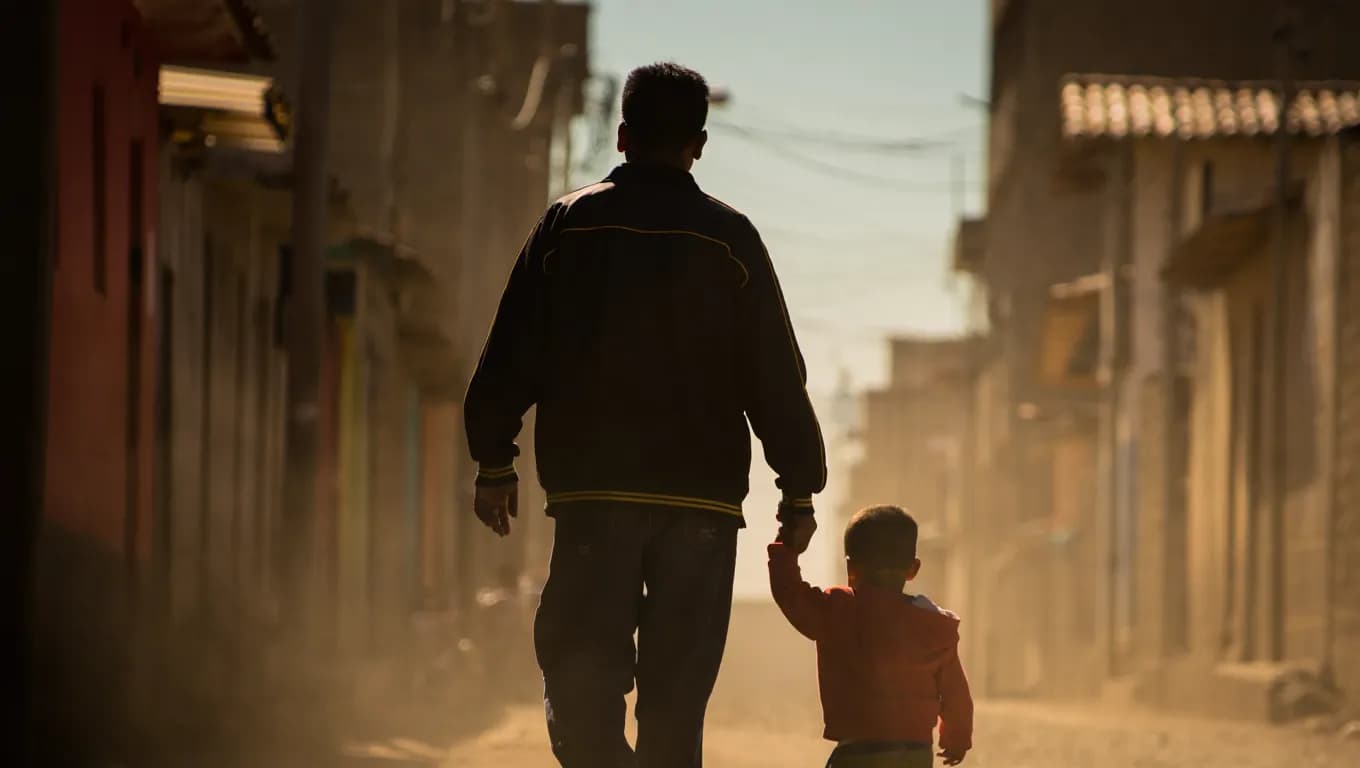
A childhood shattered by a rare illness
Born in California in the 1980s, James Fazio grew up in the Atascadero area, shaped by the Pacific waves and his love of surfing. But at age 12, everything collapsed. He was struck down by a severe form of Kawasaki disease — a rare inflammatory syndrome that attacks blood vessels, primarily affecting young children.
Within two weeks, he lost nearly 45 pounds, dropping from 125 to 84 pounds. He became unrecognizable: emaciated, weak, skin peeling from his hands and throat, unable to eat. Every bite tore at his flesh. James was hospitalized, and doctors told his parents he probably would not make it through the night. Yet in that darkness, a glimmer of light: a specialist offered an experimental treatment that, until then, had healed only one other child.
James received the injection. Against all odds, it worked. Days passed; he began to eat again, to walk, to live. Three months later, he was nearly back to full health. Six months later, he was running. Doctors were stunned: no lasting heart damage. He calls it a miracle. In his testimony, he says:
"I knew this life no longer belonged to me. I could no longer live it for myself."
At 12, James Fazio came close to death. Stricken with Kawasaki disease — a rare inflammation that can damage children's hearts — he spent weeks between life and absence, between fear and the unknown.
A face-to-face with death that changes everything
James did not have a near-death experience in the mystical sense — no light at the end of a tunnel, no heavenly vision. But that ordeal, lived in the solitude of a hospital bed, triggered an inner revolution. Immobilized, he asked himself simple but essential questions:
"Do you really want to live? What will you do with this second chance?"
His answer was a resolute yes — but with one condition: to live for something beyond himself. That awareness, born in pain, became the engine of a life turned toward others.
Discovering life through others: the humanitarian turning point
At 19, fresh out of high school, James made a radical decision. He flew to Lima, Peru, and joined Casa Generación, a shelter for street children. These young people, often marked by drugs, violence, or abandonment, survive on the margins of a society that ignores them. There, James did more than help: he taught, shared their meager meals, and above all listened.
One day, José, a boy with a dimmed gaze, whispered to him:
"Before you, no one saw me."
Those words shook him. James understood that something as simple as listening can restore dignity to those society has erased. That moment crystallized his mission: to become a bridge between the invisible and the world.
Time Well Spent: a documentary to pass on hope
Back in the United States, James decided to put on film what he had seen and lived in Lima. With no budget, he spent three years on a documentary project with young people from different countries — Peru, Costa Rica, the United States, and more. He studied communication and film. The idea took shape: to tell what he had witnessed through a documentary called "Time Well Spent" — Your Past Does Not Define Your Future. http://www.timewellspentdoc.org/.
In Time Well Spent, James Fazio follows four young men — Kross Brodersen, Henry McAlvany, Declan Bradley, and Yeferson Bellido — from different backgrounds: Indonesia, Hawaii, Peru, and Australia. Each had walked a path marked by pain or hardship, and found in surfing a road to resilience. The film follows them home, then reunites them in Bocas Del Toro, Panama, for a unique experience blending adventure, mutual support, and transformation.
Beyond riding the best waves, the young men take part in a humanitarian project: building a home for a family in need with the NGO Homes of Hope, and distributing water filters to communities without access to clean drinking water.
The film's message is clear:
"No matter where you come from or what you've been through, you have value. And you can offer hope to others."
Screened in schools, churches, and community gatherings, the documentary does more than testify. It asks:
"What would you do with a second chance?"
Through these stories of resilience, James invites each of us to reflect on the value of time and the impact of genuine commitment.
Gratitude in action: a way of life
Following the documentary's success, James fully committed to raising awareness and supporting at-risk youth, especially in Latin America. He multiplied public talks and humanitarian initiatives, with one guiding principle: turn every second chance into an opportunity for others. The goal: to offer them what he received — a second chance. Through education, artistic expression, and reintegration, he continues a mission that has become his reason for being.
He speaks of faith and transformation, but above all of choice:
"I want the day I die again to be a day I can look back on and be proud of what I did with this second chance."
When brushing death gives life new meaning
James Fazio's story goes beyond medicine. He did not see a tunnel or pass through a light, but he faced death. That confrontation woke him up and re-centered him. He has lived ever since as a grateful man, determined to dedicate each day to something greater than himself.
In a world often centered on the individual, he embodies another path: one of giving, listening, and active love. An invitation to everyone who has walked through hardship to let it become a calling. Because sometimes, those who have looked death in the eye know better than anyone what it means to live.
But must we really wait until we brush death to reorient our lives? What if, in our turn — without drama or miracle — we simply decided to live for others? Anyone can make their life an act of gratitude. Anyone can choose to love more, reach out, and give meaning. James did not have the luxury of comfort when he made that choice — but perhaps you do. What if now were the moment?
Sources:
Support our work on the ground
Every donation equips concrete projects — essential support and self-reliance — in Cameroon.
Donate